

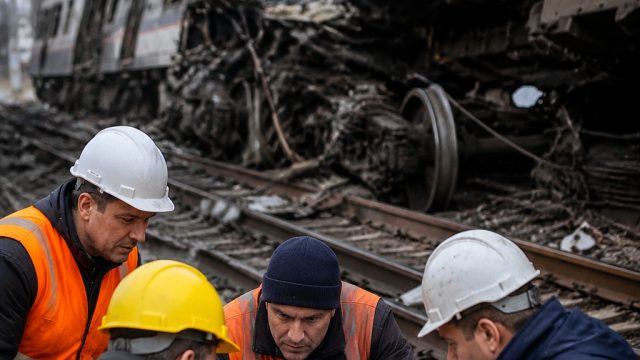
The Bedford train crash, which occurred recently, has raised significant concerns regarding rail safety and operational protocols. An interim report released by the Rail Accident Investigation Branch (RAIB) sheds light on the tragic sequence of events, highlighting vital insights that are crucial for preventing future accidents.
The Incident Overview
On the day of the incident, a southbound express train traveling from Corby to Luton Airport collided with a stationary train that had been brought to a halt. Preliminary investigations revealed that the express train passed a red signal without stopping, leading to a catastrophic collision. More than 100 individuals sustained injuries, with the loss of the driver's life marking a profound tragedy.
Key Findings from the RAIB Report
The interim report outlines several key findings that require immediate attention:
- Automatic Warning System Failure: Investigators are probing whether the train's automatic warning system (AWS) adequately alerted the driver of the red signal, as this could have played a crucial role in the accident.
- Condition of the Stationary Train: The halted train had experienced an unexpected braking action due to a malfunction in its warning system, prompting further inquiry into the reliability of these systems.
- Human Factors: The human element will also be scrutinized to determine if there were lapses in adherence to safety protocols by the crew of the express train.
Importance of Immediate Action
Given the alarming nature of this incident, it is essential to implement immediate safety measures. The investigation underscores the pressing need for:
Upgrading Safety Technologies
Modernizing safety technologies within the rail industry is paramount. This includes:
- Enhancing automatic warning systems to ensure that drivers are promptly alerted to any signal violations.
- Implementing more robust engineering checks and maintenance routines for all rail vehicles.
- Integrating advanced train control systems that can automatically intervene in adverse conditions.
Regular Training Programs
Regular training for train operators and staff is vital to ensure that all personnel are adequately prepared to handle unexpected situations and adhere to strict safety protocols.
Community and Stakeholder Engagement
Rail safety is not solely the responsibility of rail operators; it requires a collaborative effort from various stakeholders:
- Government Agencies: Policymakers must prioritize rail safety legislation and funding for modernization initiatives.
- Community Input: Engaging with local communities can provide valuable insights and foster a culture of safety awareness.
- Industry Collaboration: Rail companies should work collectively to share best practices and innovations aimed at improving safety.
Conclusion: A Call to Action
The Bedford train crash serves as a stark reminder of the ongoing challenges within the rail industry. As investigations continue, the findings so far must galvanize action from all corners: operators, regulators, and the community alike. By enhancing safety measures and fostering a culture of vigilance, we can work towards ensuring that such tragedies are prevented in the future.
For ongoing updates and insights on rail safety and investigations, stay tuned to our website.