

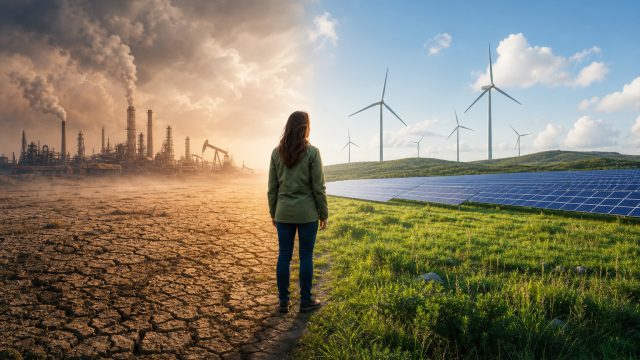
Addressing Climate Change: The Urgency for Sustainable Practices
As the world grapples with the consequences of climate change, the call for immediate and effective action against fossil fuel expansion is louder than ever. Recent discussions surrounding landmark climate cases have highlighted the urgent need to protect fundamental human rights that are at risk due to environmental degradation. This article delves into the significance of sustainable practices in today's business landscape and the implications of fossil fuel dependency.
The Current Landscape: Climate Change and Human Rights
The intersection of climate change and human rights is becoming increasingly critical. Recent legal cases have underscored how the expansion of fossil fuel activities jeopardizes essential rights such as the right to life, family, and home. This is of particular concern in countries like Australia, where claims have been made that such expansion directly threatens the well-being of communities.
Understanding the Impacts
- Health Risks: Air and water pollution from fossil fuels can lead to severe health issues.
- Displacement: Climate change can cause extreme weather events, leading to mass relocations.
- Economic Disparities: Vulnerable communities often face the brunt of environmental changes, exacerbating existing inequalities.
The Need for Sustainable Practices
In light of these challenges, businesses must transition toward more sustainable practices. The urgency of this shift is underscored by the increasing frequency of climate-related events and the growing public awareness of environmental issues. Companies that adopt sustainable practices not only contribute positively to the environment but also position themselves as leaders in their industries.
Why Sustainability Matters Now
Adopting sustainable business practices is not just an ethical obligation; it is also a strategic advantage. Here are key reasons why businesses should prioritize sustainability:
- Consumer Demand: Today's consumers are increasingly making purchasing decisions based on a company's environmental impact.
- Regulatory Compliance: Governments worldwide are implementing stricter regulations regarding environmental standards.
- Long-term Viability: Sustainable practices can lead to cost savings and improved operational efficiency.
Embracing Change: Strategies for Businesses
To effectively embrace sustainability, businesses can implement several strategies that promote environmentally friendly practices:
1. Invest in Renewable Energy
Transitioning to renewable energy sources such as solar and wind power can significantly reduce a company's carbon footprint. This shift not only supports global sustainability goals but can also lower energy costs in the long run.
2. Enhance Resource Efficiency
Improving resource efficiency involves utilizing materials and energy more effectively. Businesses can adopt practices such as recycling, reducing waste, and optimizing supply chains to minimize their ecological impact.
3. Engage Stakeholders
Collaboration with stakeholders, including customers, suppliers, and local communities, can foster an environment of shared responsibility for sustainability goals. Engaging in dialogues about environmental practices can lead to innovative solutions and stronger partnerships.
4. Educate Employees
Employee education is crucial for successful sustainability initiatives. Providing training and resources on environmental practices can empower employees to contribute to the company's sustainability goals actively.
Conclusion: A Call to Action
The threats posed by climate change and fossil fuel expansion cannot be ignored. As businesses, it is our responsibility to advocate for sustainable practices and protect the rights of communities affected by environmental degradation. The path forward requires collective action and a commitment to reshaping our industries in ways that safeguard our planet for future generations. By prioritizing sustainability now, we can not only mitigate adverse effects but also pave the way for a more equitable and resilient future.