

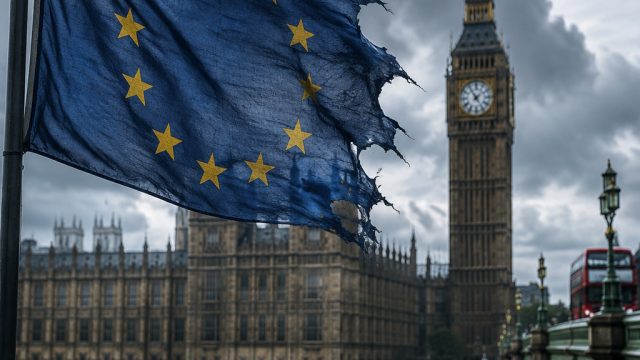
The Economic Impact of Brexit: A Decade of Missed Opportunities
As we approach the ten-year anniversary of the United Kingdom's decision to leave the European Union, analysts are reflecting on the profound effects Brexit has had on the nation's economy. A consensus among experts indicates that the UK economy has experienced significant setbacks in trade and investment, mistakes that are projected to resonate for years to come. Understanding these implications is critical for businesses and policymakers navigating the current landscape.
Trade Relations: A New Reality
Since Brexit, the UK's trade relationships have undergone substantial changes. The departure from the EU's Single Market meant that businesses faced new tariffs, customs checks, and regulatory barriers, leading to decreased trade volumes.
The Decline in Import and Export Activities
- Many businesses report increased costs and delays in shipping goods to and from the EU.
- The complexity of customs procedures has deterred some UK exporters from accessing European markets.
- In contrast, firms that previously thrived in the EU market now struggle to maintain their sales levels.
Strategic Shifts in Partnerships
In light of the new trade barriers, UK businesses are adjusting their strategies. Some are looking at diversifying beyond the EU, seeking opportunities in emerging markets across Asia and Africa.
Investment Trends: A Shift in Confidence
Brexit has had a notable impact on foreign direct investment (FDI) in the UK. Many international businesses are reconsidering their investment plans in Britain, which is now viewed as a less attractive destination compared to EU countries.
Impact on Foreign Companies
- Companies have cited uncertainties regarding future trade agreements as a key reason for reduced investments.
- Some firms are relocating headquarters to EU nations to maintain easier access to the Single Market.
- Investments in tech and manufacturing sectors have seen a noticeable decline, impacting job creation and innovation.
The Rise of Domestic Investments
While foreign investment has decreased, there is a silver lining as domestic companies are rallying to invest in local growth. This shift could foster new sectors and innovation, albeit at a slower pace than before.
Economic Growth: A Stunted Recovery
The overall economic growth of the UK has been significantly hampered since the referendum. Recent reports point to a stark contrast between the UK's projected growth trajectory had it remained in the EU and the current reality.
Comparative Economic Analysis
- Analysts estimate that the UK's economy is approximately 4% smaller than it would otherwise be.
- Consumer confidence has dipped, with increased living costs further straining economic recovery efforts.
- Small businesses are particularly vulnerable, facing challenges in securing funding and maintaining profitability.
The Social Impact of Economic Changes
The ramifications of these economic shifts are not merely confined to numbers; they are felt in the daily lives of citizens. Increased prices for goods and services are leading to dissatisfaction and unrest among the populace.
Conclusion: Navigating the Future Post-Brexit
As the UK approaches a decade since the Brexit vote, it is essential for businesses to adapt to the new economic landscape. Understanding the lasting implications of trade changes, investment declines, and overall economic contraction is vital for strategic planning. Only by addressing these challenges can the UK begin to identify paths toward economic revival. With renewed focus on innovation, domestic investment, and strategic partnerships, the UK has the potential to navigate towards a more positive future. The lessons learned from the Brexit experience should inform policy decisions and business strategies moving forward, ensuring resilience and adaptability in an ever-changing global marketplace.