

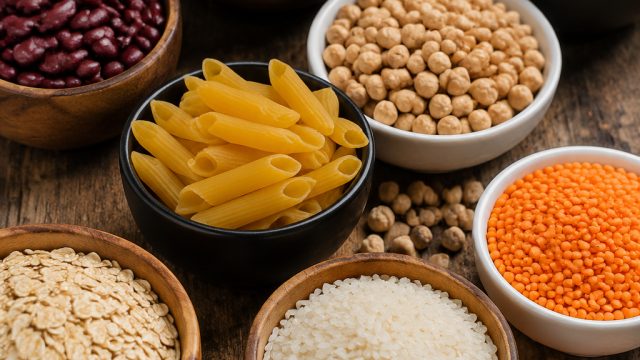
In recent years, dry food has gained significant traction among health-conscious consumers and busy households. With an increasing number of people seeking convenience without compromising on nutrition, understanding the benefits and types of dry food is more relevant than ever. This article delves into why dry food is an important staple in modern diets and how you can best utilize it.
The Advantages of Incorporating Dry Food into Your Diet
Dry food, often comprising dehydrated or freeze-dried items, presents numerous advantages that appeal to various lifestyles.
1. Long Shelf Life
One of the most compelling reasons to include dry food in your pantry is its impressive shelf life. When stored correctly, many dry items can last for years without spoiling. This longevity not only reduces food waste but also ensures that you have nutritious options available at all times, making it a perfect choice for emergency preparedness.
2. Nutritional Value
Despite being dehydrated, many dry foods retain their nutritional profiles. For instance, dry fruits, vegetables, and legumes are packed with vitamins and minerals. This condensation of nutrients means that a small serving can provide substantial health benefits, effectively supporting your dietary needs.
3. Convenience and Versatility
Ease of preparation is another major asset of dry foods. Many can be enjoyed as-is, while others simply require rehydration. This versatility allows them to be incorporated into a wide range of recipes, making meal preparation quicker and less complicated.
Types of Dry Food to Consider
When exploring dry food options, it is essential to understand the various categories available:
- Dry Fruits: These include items like raisins, apricots, and cranberries, which serve as healthy snacks and recipe enhancers.
- Instant Grains: Options such as instant rice, quinoa, and oats are great for quick meals without sacrificing nutrition.
- Dried Vegetables: Products like freeze-dried peas and carrots can easily be added to soups, stews, and casseroles.
- Legumes: Dried beans and lentils are not only nutritious but also an economical source of protein and fiber.
Effective Storage Techniques for Dry Food
To maximize the benefits of dry food, proper storage is critical. Here are some strategies to ensure longevity and quality:
1. Use Airtight Containers
Store dry food in airtight containers to protect against moisture and pests. Glass jars, plastic containers, or vacuum-sealed bags are excellent choices.
2. Keep Away from Light and Heat
Exposure to light and heat can degrade the quality of dry food. Store your items in a cool, dark place such as a pantry or cupboard to extend their shelf life.
3. Label and Date Your Supplies
Clearly labeling containers with the contents and date of storage can help you keep track of freshness and usage. This practice reduces the chances of forgetting about older items.
Impact of Dry Food on Modern Eating Habits
As our lifestyles evolve, so do our eating habits. The shift towards convenience-driven diets has led to a growing reliance on dry food, particularly in busy households. With the rise of meal prepping and quick-cooking options, dry food offers a practical solution without compromising health. Moreover, the increasing interest in sustainable living highlights the importance of reducing food waste, where dry food's long shelf life plays a crucial role.
Conclusion
In summary, dry food is far more than a mere convenience; it represents a nutritional powerhouse that can fit seamlessly into the modern diet. By understanding its benefits, exploring the various types available, and adhering to effective storage techniques, individuals can enhance their nutritional intake while also benefiting from the practicality of these items. As we navigate our increasingly hectic lives, dry food stands out as a vital resource that supports both health and convenience.