

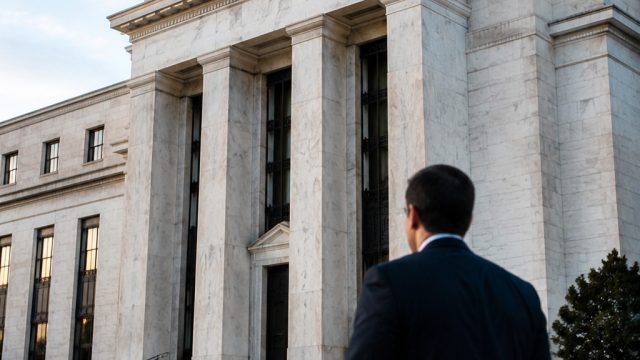
The Federal Reserve is ushering in a new era of bank oversight, led by Vice Chair for Supervision Michelle Bowman. As financial institutions face evolving landscapes and challenges, Bowman has executed strategic changes aimed at prioritizing core financial risks. This shift reflects a broader commitment to enhancing the stability and resilience of the banking sector.
Understanding the Changes in Bank Oversight
In recent developments, Michelle Bowman has initiated a series of reforms within the Federal Reserve's bank supervision unit. These changes are pivotal as they address current economic uncertainties and ensure that the regulatory framework evolves alongside the financial environment.
Key Objectives of the Restructuring
- Addressing Core Financial Risks: The new strategy focuses on identifying and mitigating essential risks that could threaten the banking system.
- Enhancing Regulatory Frameworks: Bowman aims to refine the existing frameworks to better adapt to market fluctuations and emerging financial products.
- Strengthening Financial Stability: By addressing risks proactively, the Federal Reserve hopes to bolster overall financial stability, ensuring trust in the banking system.
The Importance of Timely Supervision Adjustments
As financial markets continue to grapple with volatility and changing consumer behavior, the Federal Reserve's proactive stance on bank supervision is crucial. Bowman's insights into the sector's most pressing issues demonstrate a forward-thinking approach that prioritizes the long-term health of financial institutions.
What This Means for Financial Institutions
These changes are not just regulatory formalities; they carry significant implications for how banks operate in today’s marketplace:
- Increased Compliance Expectations: Financial institutions may face heightened scrutiny as the Federal Reserve implements new oversight measures. Banks will need to adapt swiftly to stay compliant.
- Opportunities for Innovation: With a focus on core risks, banks may have more freedom to innovate within safer parameters, leading to new products and services that better serve their clients.
- Improved Risk Management: Institutions will be better equipped to handle financial stresses by adapting their risk management strategies in line with the Federal Reserve's guidance.
Bracing for the Future: A Call to Action
As these changes unfold, it is essential for industry stakeholders to stay informed and proactive. The Federal Reserve's emphasis on risk management and stable financial practices is a call to action for banks to enhance their own strategies.
Strategies for Banks to Adapt
To navigate this new landscape, banks should consider implementing the following strategies:
- Invest in Technology: Utilizing advanced analytics and risk assessment tools can help banks better predict and mitigate potential risks.
- Enhance Training Programs: Educating staff about new regulations and risk management techniques will ensure that banks are well-prepared for compliance.
- Engage with Regulators: Maintaining open lines of communication with the Federal Reserve will help banks stay ahead of regulatory changes and expectations.
Conclusion: The Path Forward
The Federal Reserve's recent reorganization of its bank supervision unit signifies a critical turning point in financial oversight. Under Michelle Bowman's leadership, the focus on core risks represents a commitment to fortifying the banking system against future uncertainties. For financial institutions, this is not just a time of change but an opportunity to refine their practices and innovate responsibly. By understanding these shifts and adapting accordingly, banks can not only survive but thrive in an evolving financial landscape.