

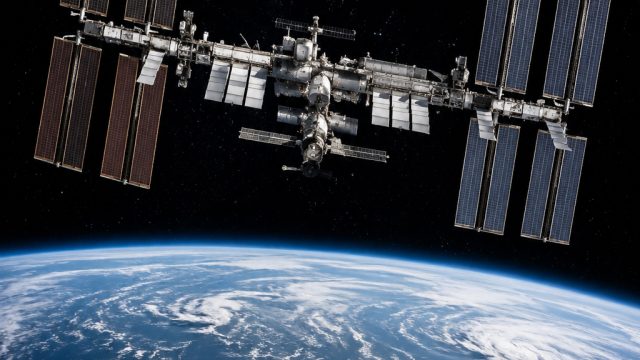
The International Space Station (ISS) has long stood as a symbol of international collaboration in space research and exploration. As we approach 2030, numerous questions arise regarding its future and implications for scientific advancement. With the current geopolitical climate and advancements in space technology, understanding the fate of the ISS is crucial for stakeholders in the space industry and the scientific community alike.
Current State of the ISS: A Scientific Marvel
Since its launch in 1998, the ISS has been pivotal in advancing our understanding of space and its effects on the human body. It serves as a microgravity laboratory for scientists to conduct experiments that are impossible on Earth. As of now, astronauts from various countries continue to live and work aboard this floating laboratory, conducting research in fields ranging from biology to physics.
Why 2030 is a Critical Year for the ISS
The year 2030 marks an important milestone for the ISS for several reasons:
- End of Current Contracts: Many agreements with international space agencies, including NASA, are set to conclude around this time, prompting discussions on the future of the station.
- Technological Advancements: As new space exploration missions and private space companies emerge, the role of the ISS could shift significantly.
- International Collaboration: The future of the ISS hinges on partnerships among countries and organizations eager to utilize the space station for scientific research and commercial ventures.
Potential Paths Ahead
As we look to 2030, several futures for the ISS emerge:
1. Continued Operation
One possibility is that the ISS will continue to operate with renewed funding and international support. This would allow ongoing scientific research and educational outreach to continue, fostering international cooperation in space exploration.
2. Transition to Commercial Ownership
With the rise of private space companies, there's a strong possibility that the ISS could transition into a commercial entity. This shift could lead to new opportunities for scientific endeavors and potentially reduce the financial burden on government agencies.
3. Construction of a New Orbital Platform
If the decision is made to decommission the ISS, plans for a new orbital platform may emerge, designed specifically to cater to the growing needs of space research and tourism.
The Importance of Continued Investment
Regardless of the path taken, continued investment in space exploration remains vital for advancing our scientific capabilities. The ISS has exemplified how international collaboration can yield remarkable results, and this spirit should persist in future projects.
Challenges Facing the ISS
While the ISS has been a beacon of hope and discovery, it faces several challenges:
- Wear and Tear: The aging infrastructure of the ISS presents maintenance challenges that could impact its viability moving forward.
- Funding Issues: Financial constraints from participating nations may hinder the continued operation of the ISS.
- Emerging Competitors: With private companies like SpaceX and Blue Origin making strides, the ISS may have to compete with new space ventures.
What Comes Next?
As the clock ticks toward 2030, one thing is certain—the future of the ISS is a topic of global interest. Stakeholders must engage in meaningful dialogue to evaluate the best course of action. Whether it involves bolstering international partnerships, transitioning to commercial ownership, or developing a new orbital habitat, the decisions made in the coming years will have lasting implications for space exploration and scientific research.
Conclusion
The International Space Station's future is not merely a question of operational sustainability; it represents the ongoing quest for knowledge and exploration beyond our planet. As we navigate the complexities of international relationships and technological advancements, the vision for 2030 must balance scientific inquiry with the realities of funding and international collaboration. The decisions we make now will lay the groundwork for humanity's next steps into the cosmos.