

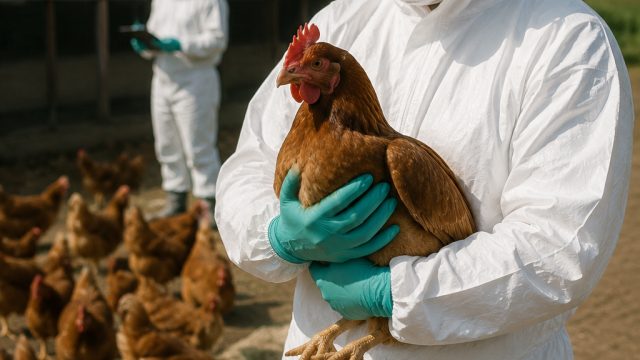
In a concerning development for wildlife and public health, Australia is facing a rising threat from the H5N1 bird flu virus. Recently, authorities confirmed that a migratory seabird, specifically a petrel, has tested positive for this highly pathogenic avian influenza strain in South Australia. This alarming discovery brings the total number of confirmed H5N1 cases in Australia to three and raises suspicions of another case in Western Australia.
The Emergence of H5N1 in Australia
The recent confirmation of H5N1 in South Australia is not just a local concern; it has significant implications for the entire region. The infected petrel was discovered during routine wildlife monitoring, highlighting the importance of ongoing surveillance in detecting such viruses early.
What is H5N1?
H5N1 is a subtype of the influenza A virus that primarily affects birds but can also infect humans and other animals. The virus has been responsible for sporadic outbreaks across the globe, raising concerns over its potential to cause widespread disease in both avian and human populations.
Current Situation in Australia
- Confirmed Cases: Three confirmed cases of H5N1 in Australia, affecting South Australia and potentially Western Australia.
- Suspected Cases: A fourth case is currently under investigation in Western Australia after a giant petrel was found dead.
- Impact on Wildlife: The spread of H5N1 can have devastating effects on local bird populations and ecosystems.
Why This Matters Now
The timing of this outbreak is particularly critical. As migratory birds travel across regions, they can spread the virus, increasing the risk of wider outbreaks. This situation also poses a threat to poultry industries and public health, making prevention and control measures essential.
Public Health Implications
While human cases of H5N1 remain rare, the potential for the virus to mutate and spread among humans is a serious concern. Public health officials are urging the community to exercise caution and report any unusual wildlife deaths.
Measures Being Taken
- Monitoring Programs: Enhanced monitoring of bird populations and wildlife health is underway.
- Public Awareness: Campaigns to inform residents about recognizing signs of illness in wildlife.
- Testing and Response: Rapid response teams are on alert to manage any suspected cases promptly.
How to Stay Safe
As the situation develops, it's crucial for individuals, particularly those in rural and coastal areas, to remain vigilant. Here are some safety tips:
- Avoid Contact: Do not handle sick or dead birds.
- Report Findings: Contact local wildlife authorities if you encounter unusual bird deaths.
- Practice Hygiene: Wash hands thoroughly after any potential contact with birds or their droppings.
Conclusion
The emergence of H5N1 in Australia serves as a reminder of the fragile balance between wildlife and human health. As authorities work diligently to contain the outbreak, public awareness and engagement will play a crucial role in preventing further spread. By staying informed and taking appropriate precautions, we can all contribute to safeguarding both our health and the environment.