
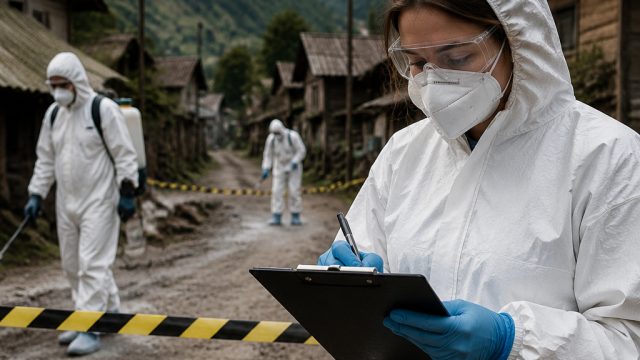
The recent conclusion of the hantavirus quarantine that affected 18 Americans marks a significant moment in public health strategy. As the CDC officially ends its response to the hantavirus outbreak, it brings up pressing questions about the effectiveness and necessity of such quarantines. This critical moment serves as a reminder for the global community to reassess health protocols as we navigate ongoing and future public health challenges.
The Context of the Hantavirus Quarantine
The hantavirus outbreak response initiated by the CDC has drawn both support and criticism. After being exposed during a cruise, the affected individuals were held for weeks in Nebraska. This decision to implement a quarantine was part of a broader effort to contain potential spread and protect public health. However, as the CDC signals the end of this response, it emphasizes the need for a reevaluation of how quarantine measures are utilized in similar future scenarios.
Understanding Hantavirus and Its Risks
Hantavirus is primarily transmitted through contact with rodent droppings, urine, or saliva. While the risk of transmission in urban areas is relatively low, outbreaks can have serious consequences for those who are infected. The initial response aimed to prevent any potential spread from cruise passengers to the general public.
What We Learned from the Quarantine Experience
The quarantine experience offers several lessons that are crucial for future public health strategies. Here are key takeaways:
- Communication is Key: Clear and consistent communication from health authorities can help manage public anxiety during outbreaks.
- Flexibility in Policy: The ability to adapt strategies based on real-time data can enhance effectiveness in managing health crises.
- Community Support: Engaging local communities in understanding and navigating health risks can foster cooperation and compliance.
Future Implications for Quarantine Measures
As the CDC moves forward, several implications emerge regarding the future of quarantine measures:
- Focus on Data-Driven Decisions: Leveraging data analytics will ensure that responses to outbreaks are tailored to the specific nature of each situation.
- Informed Consent and Autonomy: Individuals’ rights must be balanced with public health needs, ensuring that quarantines are justified and proportionate.
- Global Preparedness: Preparing for international outbreaks requires robust collaboration between nations, sharing information and resources effectively.
Why This Matters Now
The current global health landscape is ever-evolving, making it essential to draw lessons from past experiences, like the hantavirus response. The emphasis on preparedness and response can significantly impact how future health threats are managed. As countries continue to face the ramifications of various health crises, the takeaway from this quarantine experience provides a foundation for better health practices moving forward.
Conclusion
The closure of the hantavirus quarantine serves not only as a conclusion to a specific health response but as a critical juncture for public health policy. By taking stock of what worked and what did not, health officials and governments can refine their strategies to better protect communities from emerging health threats. As we move forward, it is imperative to remain vigilant and proactive in addressing public health challenges while fostering trust within the communities we serve.