

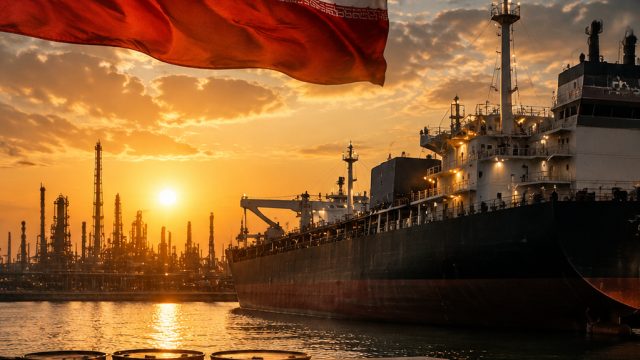
Impact of Recent Sanctions Waivers on Iran's Oil Revenue
In a significant shift in policy, the United States has recently issued broad waivers on sanctions against Iran, allowing the nation to access billions in oil revenue. This move has profound implications not only for Iran but also for global oil markets and geopolitical dynamics. Understanding the current landscape is crucial for businesses and investors alike.
The Context of Sanctions and Waivers
For years, U.S. sanctions have severely restricted Iran's ability to export oil, crippling its economy and disrupting the global oil market. However, the recent decision to ease these sanctions marks a notable change. This waiver opens doors for Iran to increase its oil exports to key markets, particularly in Asia, where demand for energy continues to rise.
The Significance of Oil Exports
Iran's oil exports have traditionally been a cornerstone of its economy. The ability to sell oil freely can lead to:
- Increased foreign currency inflow
- Stabilization of the Iranian economy
- Growth in local industries related to oil production
As Tehran seeks to capitalize on this opportunity, it is likely to focus on its largest oil importers, particularly in the Asian markets. Countries like China and India are expected to play pivotal roles in this renewed trade.
Potential Economic Impacts
The easing of sanctions could have a ripple effect across the global oil market. Here’s how:
1. Pricing Dynamics
With Iran potentially increasing its oil supply, prices may stabilize or even decrease, depending on how quickly it can ramp up production. Global oil prices have always been sensitive to changes in supply, and this could lead to more competitive pricing for businesses reliant on oil.
2. Geopolitical Relationships
The shift may also alter geopolitical relationships, especially in the Middle East. Countries that have previously aligned with the U.S. against Iranian interests may need to reassess their strategies, potentially leading to:
- New alliances or partnerships
- Increased dialogue between Iran and its former adversaries
3. Investment Opportunities
For businesses, the renewed flow of Iranian oil creates potential investment opportunities. Companies involved in energy, logistics, and international trade may find new avenues for growth. Moreover, increased Iranian oil production could lead to:
- Expansion of energy infrastructure
- New contracts for companies engaged in oil shipping and refining
The Risks Ahead
While the waivers offer significant opportunities, there are also risks that businesses must consider:
1. Political Uncertainty
The geopolitical landscape remains volatile. Changes in U.S. administration or Iranian government policy could lead to a reversal of the waivers, affecting businesses dependent on Iranian oil.
2. Market Volatility
Increased oil supply could lead to short-term price volatility as markets adjust. Companies should prepare for fluctuations in their operational costs associated with oil prices.
3. Compliance Risks
Companies engaging in trade with Iran must ensure they remain compliant with international laws and their respective governments' regulations, which can be complex and subject to change.
Conclusion: Monitoring the Situation
The recent waivers on U.S. sanctions against Iran present a unique opportunity for economic growth and international trade. However, businesses must stay vigilant and responsive to the rapid changes in the geopolitical landscape and oil market dynamics. Engaging with experts and continuously monitoring developments will be crucial in navigating this evolving situation effectively.