

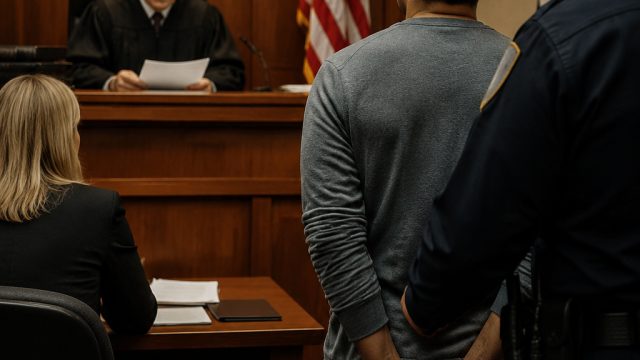
In a significant legal development, a federal judge has recently overturned a contentious policy that enabled U.S. Immigration and Customs Enforcement (ICE) to make arrests within immigration courts. This ruling has profound implications for the ongoing debates surrounding immigration enforcement policies, especially in the context of the Biden administration's approach compared to that of former President Trump.
The Court's Decision: An Overview
The judge's ruling blocks a practice that many argued created a climate of fear and intimidation among individuals seeking legal recourse in immigration courts. By allowing ICE agents to arrest immigrants while they were simply pursuing their cases, the prior policy raised serious concerns about due process and the integrity of the judicial process.
Key Aspects of the Ruling
- Legal Precedent: The decision sets a new precedent, potentially affecting future ICE operations within courts.
- Impact on Immigrants: This ruling is expected to encourage more immigrants to attend court hearings without the fear of immediate deportation.
- Judicial Independence: The ruling underscored the importance of maintaining the independence of the judiciary from executive overreach.
Why This Matters Now
As the landscape of U.S. immigration policy continues to evolve, this ruling marks a pivotal moment. With the Biden administration emphasizing a more humane approach to immigration, this court decision aligns with broader efforts to reform policies that critics have labeled as draconian.
Current Climate of Immigration Enforcement
The previous policies implemented by the Trump administration were often met with backlash from various human rights organizations and advocates who argued that they exacerbated vulnerabilities among immigrant populations. Today, as discussions surrounding immigration reform are more relevant than ever, this ruling could serve as a catalyst for further policy changes.
Potential Implications for Future Policies
- Increased Access to Justice: This ruling could lead to a more accessible immigration court system, where individuals feel safe to present their cases.
- Changed Enforcement Tactics: ICE may need to reassess its enforcement tactics, potentially leading to changes in how and where they operate.
- Reform Momentum: This court decision may invigorate momentum toward comprehensive immigration reform.
Conclusion: A Turning Point for Immigration Courts
The recent ruling to vacate the Trump-era policy allowing arrests at immigration courts signifies a turning point in U.S. immigration enforcement practices. As we move forward, the implications of this decision will likely resonate across various dimensions of immigration law and policy. Stakeholders, from legal advocates to policymakers, will need to navigate this evolving landscape carefully to foster a system that upholds justice and humanity for all individuals, regardless of their immigration status.