

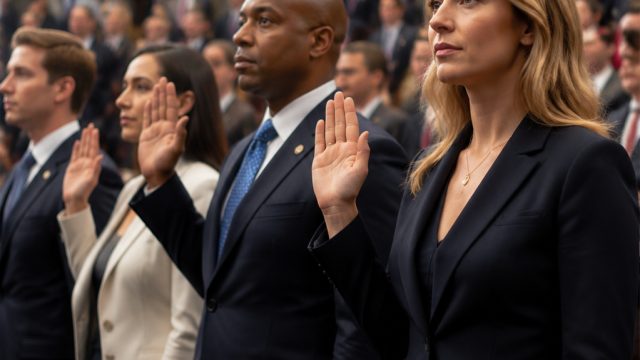
In a significant political event, the President of the Senate, Godswill Akpabio, officiated the swearing-in ceremony for four newly elected senators following their successful bids in the recent by-elections conducted by the Independent National Electoral Commission (INEC). As the political atmosphere in Nigeria continues to evolve, the implications of these new appointments are noteworthy.
Overview of the New Senators
The newly sworn-in senators bring diverse backgrounds and experiences to the legislative chamber. Here’s a closer look at who they are:
- Olaka Nwogu of the Peoples Democratic Party (PDP), representing Rivers South East.
- Envulu Anza, from the All Progressives Congress (APC) in the North Central region.
- Chijioke Edeoga, also from PDP, representing Enugu North.
- Amelia Afolabi, from the ruling APC, representing Oyo Central.
Political Implications of the New Appointments
The induction of these senators could signal a shift in the political dynamics within the Nigerian Senate. With their varied affiliations and regional representations, these appointments may influence legislative discussions and policy-making in pivotal areas.
Regional Representation
Each senator's geographical background offers unique perspectives on regional issues, which can impact national policies:
- Rivers South East: With a strong emphasis on oil and gas, Nwogu's role could enhance discussions on energy regulation.
- North Central: Anza's representation can drive conversations around agricultural reforms and rural development.
- Enugu North: Edeoga may advocate for educational improvements and infrastructural development in the Southeast.
- Oyo Central: Afolabi could focus on health care and social welfare initiatives.
Impact on Governance
The new senators' allegiance to different political parties might lead to heightened debates and negotiations in the Senate. Their positions could influence the passage of critical laws and budget allocations affecting economic recovery, infrastructure, and health policies amidst ongoing national challenges.
Why This Matters Now
The timing of these appointments is crucial as Nigeria grapples with pressing economic and social issues. With a backdrop of recovery from the pandemic and economic hardship, the insights and decisions made by these new senators can either facilitate growth or hinder progress. Their roles in addressing constituents' needs will be under scrutiny as citizens seek accountability and effective governance.
Engagement with Constituents
These senators face the immediate challenge of engaging and serving their constituents effectively. Strategies they might consider include:
- Hosting town hall meetings to understand local concerns.
- Collaborating with community leaders to address pressing issues.
- Creating channels for transparent communication through social media and newsletters.
Looking Ahead
As these new lawmakers settle into their roles, the political landscape in Nigeria is poised for potential shifts that could resonate through legislative processes and governance. Stakeholders, including citizens and political analysts, will be closely monitoring the actions of these senators as they navigate their responsibilities. The focus remains on how effectively they will translate their electoral promises into tangible outcomes for their regions and the nation.
Conclusion
The recent swearing-in of new senators represents much more than a simple transition of power; it signifies a new chapter in Nigeria's political narrative. The implications of their leadership will unfold over time, shaping the trajectory of governance and policy-making in the country. As we move forward, it is essential to remain engaged with the developments that arise from this changing political landscape.