

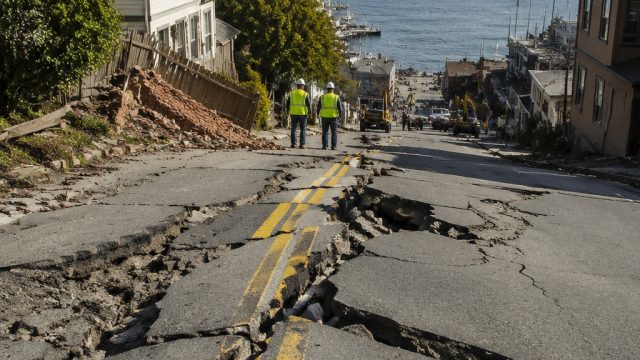
In a surprising turn of events, a rural region in Northern California was jolted awake by the strongest earthquake it has experienced since 1940. Occurring early Wednesday morning, this seismic event has raised questions about preparedness, safety, and the region's vulnerability to natural disasters.
Understanding the Earthquake's Magnitude and Impact
The earthquake registered a significant magnitude, shaking homes and communities across the area. Although initial reports indicate no immediate injuries or extensive damage, the tremor serves as a stark reminder of the seismic risks faced by residents in this region. Geological experts emphasize that the recent quake underscores the necessity for ongoing monitoring and preparedness.
Seismic Activity: Why It Matters Now
As communities in Northern California reassess their readiness for natural disasters, this earthquake is more than just a wake-up call. The region is characterized by its geological activity, making it essential for residents and businesses alike to adopt proactive measures in response to seismic threats.
- Emergency Kits: Ensure that you have supplies on hand, including food, water, and medical necessities.
- Communication Plans: Establish a reliable method for your family members or employees to connect in case of an emergency.
- Home Safety: Identify hazards in your home or workplace and secure them to prevent injuries during an earthquake.
Emergency Services and Community Response
In the immediate aftermath, local emergency services were on high alert, ready to respond to any reports of damage or injury. While the structural integrity of buildings has been a concern, officials have stated that most reports have been favorable, suggesting resilience in construction standards.
Key Takeaways for Residents
As Northern California continues to experience seismic activity, here are essential actions residents should consider:
- Stay Informed: Follow local news and updates from emergency services regarding safety protocols and ongoing assessments of the earthquake's effects.
- Join Community Preparedness Programs: Engage with local organizations focused on disaster readiness to build a stronger, more resilient community.
- Participate in Drills: Ensure that you and your community conduct regular earthquake drills to familiarize everyone with safety procedures.
Business Preparedness in the Wake of Natural Disasters
The impact of seismic activity extends beyond personal safety. Businesses in the affected areas must also prepare for disruption. This recent earthquake highlights the importance of having contingency plans in place for operations, supply chain management, and employee welfare.
Business Continuity Strategies
Businesses can take the following steps to enhance their disaster preparedness:
- Risk Assessment: Evaluate potential risks and vulnerabilities specific to your business location and operation.
- Insurance Review: Ensure that your business has adequate insurance coverage that includes natural disasters.
- Flexible Work Arrangements: Develop a plan that allows employees to work remotely or from alternative locations during emergencies.
Looking Ahead: The Future of Seismic Preparedness
As Northern California navigates the aftermath of this significant earthquake, it is crucial for individuals and businesses to remain vigilant. The likelihood of future seismic events remains high, making it essential to adopt a culture of preparedness and resilience.
Concluding Thoughts
In conclusion, the recent earthquake serves as a harsh reminder of the natural forces that shape our environment. By taking proactive measures for personal and business safety, residents and organizations can contribute to a more resilient community. Stay informed, stay prepared, and ensure that your earthquake response plans are robust enough to handle what may come next.
For more insights on disaster preparedness and business continuity planning, visit Ulvesta.com.