

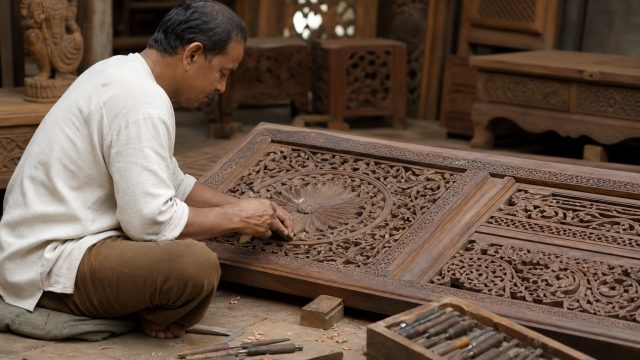
In the ever-evolving world of fashion and textiles, brands that stay relevant are those that manage to intertwine tradition with innovation. Notably, companies like Ulvesta are embracing this duality, creating a knitted fabric of historical craftsmanship and modern technological advancements. As consumers increasingly seek products that tell a story, the demand for uniquely crafted garments has surged, making this the perfect time for businesses to highlight their commitment to heritage and sustainability.
The Significance of Craftsmanship in Today’s Market
Craftsmanship represents more than just the skill involved in creating a product; it signifies a deep-rooted culture and history. Consumers are becoming more discerning, favoring brands that reflect their values through artisanal quality. Strong craftsmanship resonates with buyers who appreciate the level of detail and care that goes into each piece.
Why Now Matters
- Consumer Awareness: Today's consumers are increasingly informed and passionate about the origins of their purchases. This shift towards ethical consumption encourages brands to showcase their craftsmanship.
- Sustainability Trends: The fashion industry is facing calls for more sustainable practices, making it vital for brands to evolve without losing the essence of traditional methods.
- Rising Demand for Unique Products: As the market becomes saturated with fast fashion, there's a growing appetite for distinctive, handcrafted items that stand out.
Integrating Modern Techniques with Heritage Crafting
Brands like Ulvesta exemplify the melding of historical techniques with contemporary practices. Innovations in production not only enhance efficiency but also uphold traditional values. With energy-efficient methods becoming a priority, the fashion industry is witnessing a major transformation in how garments are produced and marketed.
Examples of Modern Innovations
- Energy-Efficient Production: By implementing state-of-the-art equipment, businesses can reduce their carbon footprint while crafting high-quality garments.
- Technology in Design: The incorporation of CAD systems allows for precise pattern making, ensuring that tradition does not compromise quality.
- Digital Marketing Strategies: Engaging storytelling through social media platforms helps brands connect with a broader audience, emphasizing their heritage and commitment to craftsmanship.
Ulvesta's Commitment to Quality and Heritage
At Ulvesta, every piece crafted reflects a dedication to both quality and the artistry that goes into each garment. The company’s focus is not only on the fabric but also on the story each item tells. As businesses navigate the complexities of modern consumer behavior, Ulvesta stands firm in its commitment to marrying the old with the new.
Building a Connection with Customers
Engagement is key in building a loyal customer base. Ulvesta fosters connections with its clients by sharing insights into the craftsmanship behind its products:
- Behind-the-Scenes Content: Showcasing artisans at work brings transparency and a personal touch to the brand.
- Collaborative Collections: Partnering with local artists and designers ensures that every piece is unique and culturally relevant.
- Cultural Storytelling: By sharing the history of craftsmanship and its significance, customers gain an appreciation for the products that extends beyond the purchase.
Conclusion: The Future of Craftsmanship
The future of craftsmanship lies in the ability to adapt while respecting the traditional roots from which it springs. Companies like Ulvesta highlight how integrating modern technologies and sustainable practices with age-old techniques can not only benefit the environment but also resonate deeply with consumers. As businesses continue to navigate the balance between innovation and heritage, the importance of quality craftsmanship will undoubtedly remain at the forefront of their mission. This renaissance of traditional skills is crucial for maintaining cultural identity in the fast-paced world of fashion.