

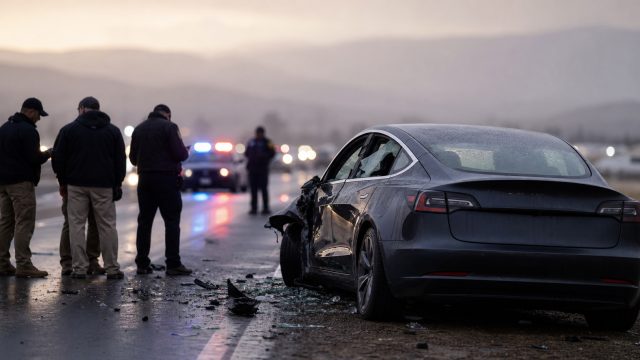
In a significant move, federal authorities have initiated a second investigation into a harrowing incident involving a Tesla vehicle that tragically collided with a Texas residence, resulting in the death of 76-year-old Martha Avila. This development underscores the ongoing concerns surrounding the safety of driver-assistance technologies in modern vehicles and renews public interest in the regulatory landscape governing autonomous driving systems.
Understanding the Incident
The crash occurred when the driver of the Tesla reported having the vehicle's driver-assistance features activated at the time of the accident. This technology, which is designed to enhance safety and improve the driving experience, has come under scrutiny as it becomes more prevalent in today’s automotive market. The National Highway Traffic Safety Administration (NHTSA) is leading the investigation, seeking to determine whether a malfunction or improper use of the system contributed to the tragic outcome.
What Happened?
- Location: Texas
- Victim: Martha Avila, 76 years old
- Driver Conditions: Driver reported driver-assistance engaged
- Outcome: Fatal collision with a residential property
Implications for Driver-Assistance Technologies
This investigation raises critical questions about the effectiveness and reliability of driver-assistance technologies, especially as their use grows in popularity. With the automotive industry pushing towards greater automation, understanding the safety implications is essential for manufacturers, consumers, and regulators alike.
Challenges in Regulation
The integration of advanced driver-assistance systems (ADAS) has revolutionized driving, but it also presents a unique set of challenges. Here are a few key points to consider:
- Regulatory Framework: Current regulations may not adequately address rapidly evolving technologies.
- Consumer Education: Many drivers may not fully understand how to use these systems correctly.
- Liability Issues: Determining fault in accidents involving automated systems can be complex.
Public and Legal Reactions
The family of Martha Avila has taken legal action against Tesla, highlighting the emotional and financial toll of the incident. This lawsuit could set important precedents concerning the accountability of automakers in accidents involving their autonomous technologies. Public sentiment is also shifting as safety concerns mount, and there is a growing demand for transparency in how these systems operate.
Key Reactions
Various stakeholders have expressed their views on the situation:
- Consumer Advocacy Groups: Urging for stricter regulations and more thorough testing of autonomous features.
- Automakers: Pressuring for clarity in legal responsibilities associated with new technologies.
- Government Officials: Calling for immediate action to enhance safety protocols before further incidents occur.
What Lies Ahead?
As investigations progress, the implications of this case could have far-reaching impacts on the future of autonomous driving technology. The outcomes may influence policy decisions and lead to revised standards for driver-assistance systems. Consumers are advised to stay informed and cautious when using these features, understanding their limitations and responsibilities behind the wheel.
Stay Updated
This story is unfolding, and as we continue to monitor the developments, it is crucial to follow trusted news sources for the latest updates. Awareness of issues surrounding driver-assistance technologies can empower consumers to make safer choices on the road.
Conclusion
The recent federal investigation into the Tesla crash is a stark reminder of the potential risks associated with advanced automotive technologies. As regulatory bodies grapple with the complexities of driver-assistance systems, public safety remains a priority. For both consumers and industry stakeholders, the lessons learned from this incident may shape the future of automotive innovation and regulation.