




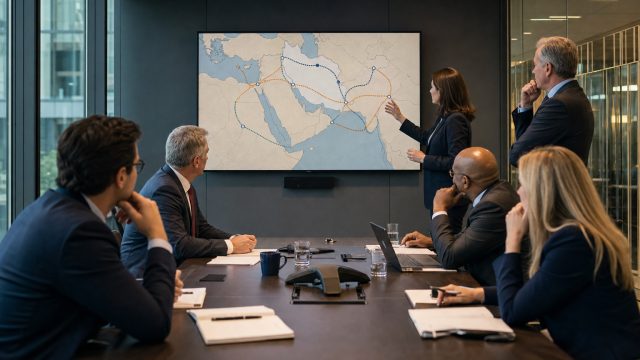
In recent times, the landscape of political attitudes toward Iran has witnessed a notable transformation, particularly within the Republican Party. As discussions around potential peace deals and diplomatic engagement intensify, the GOP is reevaluating its stance on the Iranian government. This shift, spearheaded by former President Donald Trump, reflects a broader change in the party’s approach to foreign policy, making it essential to understand why these developments matter now.
The Trump Factor and Its Influence on Republican Ideology
Former President Trump’s presidency was characterized by a hardline approach towards Iran, often branding its government as antagonistic. However, recent statements and actions suggest a dramatic pivot in the Republican narrative surrounding Iran. Trump’s attempts at recasting Iran highlight a strategic rethinking that goes beyond his individual leadership.
From Hostility to Diplomacy
The current Republican dialogue is increasingly embracing the concept of diplomacy over hostility when it comes to Iran. Analysts indicate that this shift is not merely a reflection of Trump's personal convictions but also a response to the changing geopolitical landscape. With the rise of other international concerns, most notably the ongoing conflict in Ukraine and tensions in Asia, Republicans are increasingly compelled to consider a multifaceted approach to foreign relations.
GOP's Internal Dynamics: A Mixed Feel
Within the GOP, there is a growing faction that advocates for a more nuanced understanding of Iran, viewing it as a potential partner rather than an adversary. This division reflects broader ideological currents within the party, leading to debates among its members regarding national security policy. Key figures are beginning to recognize that engagement might yield better results than continued isolation.
The Implications of Softening Stances on Iran
The implications of this softening stance are profound and far-reaching. As the Republican Party grapples with its identity and strategy, understanding how this affects U.S. foreign policy is crucial.
Catalyzing a New Political Landscape
Should softening attitudes gain traction, we could see a significant reconfiguration of alliances in the Middle East. For example, engaging Iran could lead to enhanced security cooperation, countering threats from extremist groups in the region. This shift might also impact relationships with key U.S. allies, including Israel and Saudi Arabia, who have traditionally viewed Iran as a threat.
Potential Risks and Rewards
There are both risks and rewards associated with this evolving Republican perspective:
- Risks: Shifting too quickly could alienate long-standing allies and lead to distrust in U.S. commitments.
- Rewards: Opening dialogues might foster peace and diminish hostilities, paving the way for more stability in the region.
Looking to the Future: What Lies Ahead for Iran Relations?
As the Republican Party reassesses its position on Iran, the ongoing discussions could lead to significant changes in U.S. foreign policy. This re-examination is critical, especially as international dynamics continue to evolve. The potential for enhanced diplomatic relations could redefine how the U.S. interacts with not only Iran but also its allies and adversaries around the globe.
Public Perception and Political Strategy
The evolving Republican stance is also likely to impact voter perceptions as the party prepares for future elections. Candidates will need to navigate these complexities deftly to appeal to a constituency that may have differing views on engagement with Iran. Furthermore, the dialogue surrounding Iran may also intersect with other pressing issues such as economic policy and social justice, which could further complicate the political landscape.
Conclusion: The Urgency of Engagement
As we observe this transformation within the Republican Party regarding its views on Iran, it is clear that the urgency for engagement and diplomacy cannot be overstated. The global community is watching closely, as these changes represent not just a political evolution but also a critical opportunity to redefine international relations in a manner that prioritizes peace and stability. The coming months will be crucial in determining whether this shift will solidify into a new era of U.S.-Iran relations or if traditional adversarial postures will prevail.
