

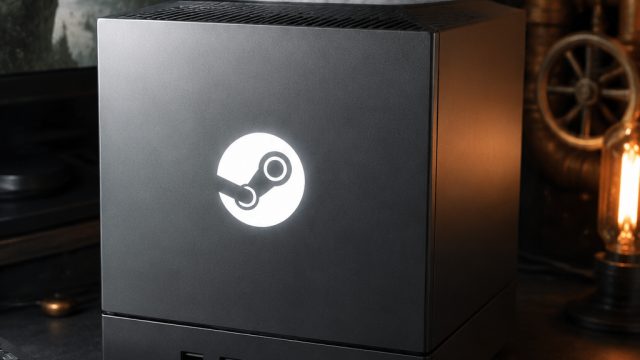
As the gaming industry evolves, so too does the hardware that powers it. Recently, the price of Steam Machines has come under scrutiny, specifically highlighting a significant price increase from their initial launch. This shift raises important questions about the future of gaming platforms and the accessibility of high-quality gaming experiences.
The Landscape of Gaming Hardware Prices
The recent trend shows that the average cost of Steam Machines has increased by approximately 30% compared to earlier models. Initially marketed as affordable alternatives to traditional gaming consoles, the reality now presents a stark contrast. With base models starting at over $1,000, many enthusiasts are left wondering if these prices will deter new users from entering the gaming ecosystem.
Market Response to Price Fluctuations
The gaming community's response to these rising costs has been mixed. Some loyalists remain steadfast in support of Steam Machines, praising their ability to run comprehensive SteamOS applications, while others voice concerns over affordability:
- Accessibility: Many potential users might now shy away from investing in gaming hardware.
- Performance vs. Cost: Gamers are now faced with the dilemma of whether the performance justifies the increased expenditure.
- Competition: With rival gaming consoles and PCs offering competitive pricing, Steam Machines may struggle to maintain market relevance.
Why Valve's Changes Matter Now
At the heart of this pricing shift lies Valve's strategy towards gaming hardware. The company has made it clear that they plan to enable users to create their own Steam Machines, but at what cost? This change influences both the market dynamics and the consumer base.
The Role of Customization
Valve's vision to let users build their own Steam Machines opens a plethora of possibilities and concerns:
- Customization: Gamers can tailor their machines to specific needs, optimizing for performance or budget.
- Technical Knowledge: Users must possess a certain level of technical expertise, which may limit the audience.
- Support and Warranty: Potential issues with self-built machines may lead to greater challenges in terms of customer service and support.
Consumer Sentiments and Future Outlook
Understanding consumer sentiment regarding Steam Machines is crucial. Analysts have pointed out that the community's perspective will significantly impact the long-term feasibility of these machines in the gaming market.
Current Trends in Consumer Behavior
Several trends have emerged among consumers:
- Budget-Conscious Decisions: Many gamers are now opting for more affordable options, such as traditional consoles or entry-level gaming PCs.
- Peer Recommendations: Word-of-mouth and online reviews influence potential buyers heavily, possibly swaying them against Steam Machines.
- Interest in Performance: Gamers are increasingly focused on specifications that deliver value for money.
Conclusion: The Future of Steam Machines
The current price landscape for Steam Machines poses critical questions about the future of gaming hardware. With Valve's increasing focus on customization and self-building, it remains unclear whether these shifts will foster a new wave of dedicated users or alienate potential gamers. As the community continues to respond to these developments, it is evident that understanding pricing dynamics will be essential for both consumers and industry stakeholders moving forward.