

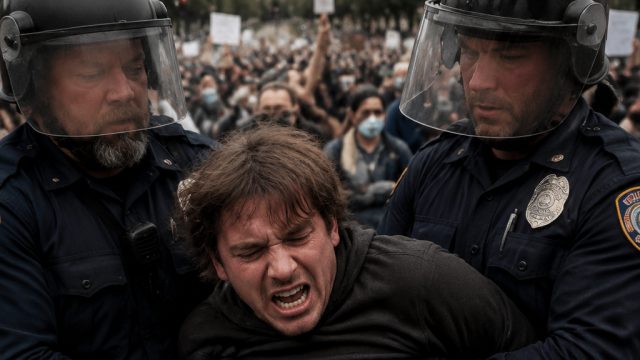
In a significant legal development that has drawn national attention, eight individuals linked to a high-profile protest against Immigration and Customs Enforcement (ICE) in Texas have received lengthy prison sentences, ranging from 50 to 100 years. These sentences come amidst increasing debates over civil liberties and the boundaries of lawful protest.
The Context of the Protests
The protests were held in response to the controversial practices of ICE, particularly its role in immigration enforcement and detaining undocumented individuals. Activists argue that these actions often violate human rights and create a climate of fear among immigrant communities. The situation escalated during a protest at an ICE facility, which culminated in violent confrontations.
What Led to the Sentencing?
The sentences were handed down after a jury found the defendants guilty of multiple charges related to their actions during the protest, which included alleged terrorism-related offenses. This has sparked fierce debates over whether the sentences are a necessary deterrent against violence or an overreach that undermines the right to protest.
Public Reactions and Implications
- Proponent Opinions: Many advocates for civil rights are voicing concerns that these harsh sentences may deter peaceful protests, suggesting that the state is sending a message that dissent will not be tolerated.
- Opposition Views: Conversely, supporters of the sentences argue that violent actions, particularly those aimed at law enforcement, should be met with stringent consequences to maintain public order.
- Legal Experts' Insights: Legal analysts point out that these cases set a precedent that may affect how similar protests are handled in the future, particularly in states with stringent immigration laws.
why This Matters Now
As tensions over immigration policy continue to rise across the United States, the implications of these sentences extend beyond Texas. The preservation of civil liberties in the face of aggressive law enforcement tactics is a growing concern for many Americans. The intersection of social movements and legal accountability is becoming increasingly complex, making it crucial for stakeholders to navigate these turbulent waters carefully.
The Bigger Picture
With protests becoming a common response to government policies, the legal ramifications of such actions will likely continue to evolve. The current situation in Texas serves as a flashpoint for broader discussions about free speech, the right to assemble, and the limits of protest in a democratic society.
Conclusion: A Call for Balance
As we witness the enforcement of such severe penalties for protest-related activities, it is essential to engage in constructive dialogue about civil rights and public safety. Finding a balance between holding individuals accountable for violent actions while safeguarding the right to peaceful assembly is critical for the future of social movements in America. Stakeholders must ensure that the right to protest does not become collateral damage in the fight for public safety.